
Climate Tech Website Agency
Why stock photography is not evidence
We design and build websites for climate tech companies. The category runs on stock photography: turbines at sunset, hands holding soil, a blue globe. Meanwhile the one thing that would convince a buyer, your measured result, sits three clicks down inside a PDF.
What a climate tech website agency does
A climate tech website agency positions and explains clean energy, battery, nuclear, fusion, grid and carbon companies in climate tech so technical and financial buyers can judge the purchase rather than the demonstration. Everything Deep Tech builds architecture, custom 3D, spec systems, design, build, SEO and AEO.
| Best for | Clean energy, battery, nuclear, fusion, grid and carbon companies in climate tech. |
|---|---|
| What goes wrong | Stock photography is not evidence. |
| What you get | Architecture, custom 3D, spec systems, design, build, SEO and AEO. What an operator needs first, what a regulator needs, and where the investor lands. |
| Timeline | 9–16 weeks from kickoff to live. Fixed scope, fixed timeline, one price. |
| Disciplines in one room | strategy, copy, design, 3D, build and collateral. |
| Category | Reactor, pack, electrolyser or capture unit, modelled from your drawings. Not another turbine at sunset. |
Stock photography is not evidence.
Five reasons clean technology websites underperform, even when the engineering behind them is excellent.
- →The imagery is interchangeable. Turbines, sunsets, soil in cupped hands. Swap the logo on most clean tech sites and nobody notices, which tells a buyer everything.
- →The data is in a PDF. The measured result is the only thing separating you from the next pitch, and it is behind a form or inside a report nobody opens.
- →Claims are unqualified. Modelled and measured are not the same word. If the site will not say which, a diligent reader assumes the weaker one.
- →Pages are too heavy. Autoplaying hero video plus render galleries is a slow page. Your buyer often opens it on conference wifi.
- →Nothing is quotable. Answer engines do the first screening now. Unstructured pages get paraphrased loosely, and your methodology gets described wrongly.
Designed and built by the same people.
Architecture
What an operator needs first, what a regulator needs, and where the investor lands.
Custom 3D
Mechanism and plant, modelled from drawings and animated to explain rather than to impress.
Spec systems
Performance tables, methodology and measured results designed to be read on a phone.
Design
A system applied page by page, not one template stretched across the site.
Build
Webflow or static, built in-house, tuned for Core Web Vitals on a poor connection.
SEO and AEO
Structured, fast and quotable, so search engines rank it and answer engines cite your methodology correctly.
Precision is the point and it converts.
Weeks from kickoff to live. Fixed scope, fixed timeline, one price.
Stock turbine photography. If it is your plant on the page, it is your plant in the render.
Disciplines in one room: strategy, copy, design, 3D, build and collateral.
A fast, well-built site cannot rescue unclear positioning. If the category and the evidence are not settled, start there.
Climate tech website questions, from founders.
Can you render a plant that does not exist yet?
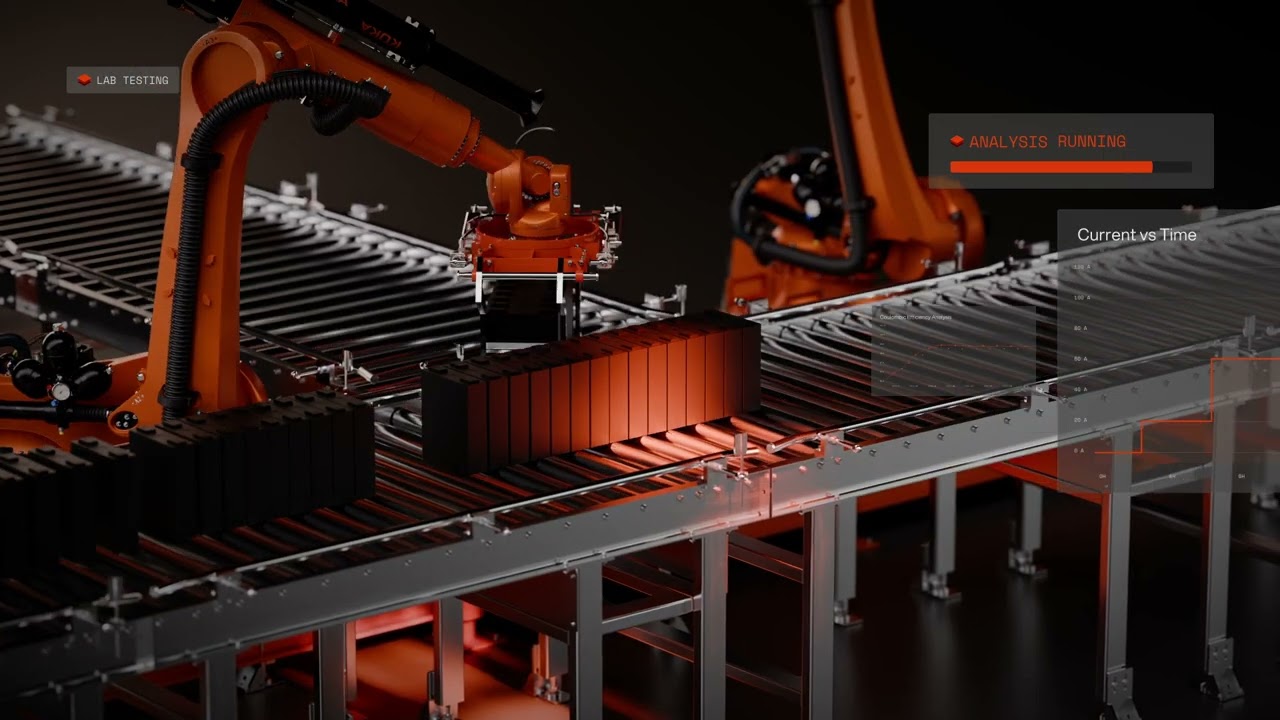
Yes. Custom 3D is in-house. We model from drawings, CAD or a sketch, and we have done it for a molten salt reactor that has not been built.
Have you done this before?
Turno on battery state-of-health, PolyEnergetics on a molten salt micro modular reactor, Transitry on soil carbon and digital MRV, and Cuzor on GaN charging.
Webflow or a static build?
Either. Webflow when the team needs to edit without us, static when performance and control matter more. We are Webflow Partners, and both routes are built in-house by the people who designed the page.
How long does it take?
Nine to sixteen weeks for design, 3D and build. Fixed scope, fixed timeline, one price.
Do you sign NDAs before seeing the data?
Yes, and it is the normal starting point. Pilot results and methodology are usually the most sensitive things you hold.
Three climate tech sites, built in-house: the Turno website, the PolyEnergetics site and CMS pages and the Transitry platform.
Send us the results and the site plan.
Thirty minutes, no deck. We will tell you what your site is hiding, what it is loading badly, and what a diligent buyer gives up on before they reach it.
Book a 30-minute audit →