
Your technology is invisible. Video is how it gets understood.
A deep tech explainer video is a short film that makes an invisible or highly technical product legible to the person who has to approve it. Most deep tech products cannot be photographed. They sit inside a reactor, a cell, a fab, a network stack, or they have no physical form at all. So the explaining falls to a film, and the film is usually made by people who have never read a spec sheet. We make them by the technique the product actually needs, reviewed by engineers before anyone renders a frame.
Four categories. Four different problems.
Not one house style applied four times. The technique was chosen by what the product is and who had to be convinced.

Cloudphysician
Live action and product UI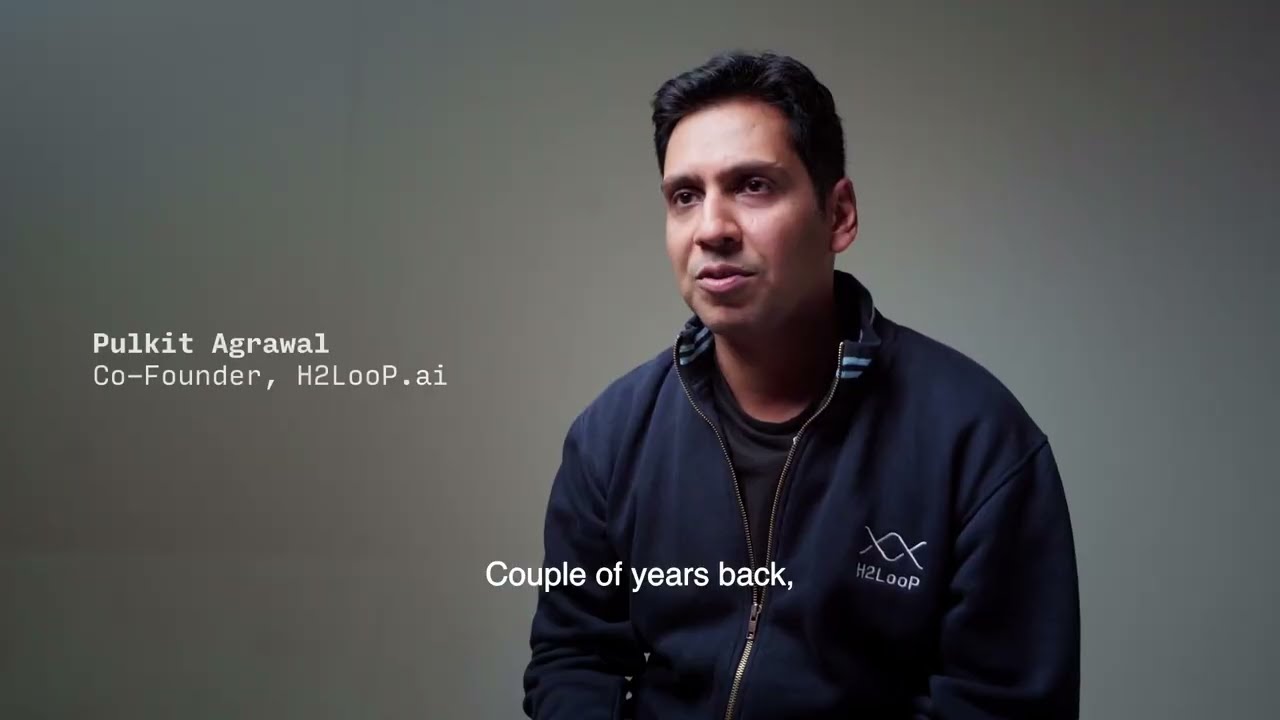
H2LooP
Interview and motion graphics
Sevenloop
Live action and 3D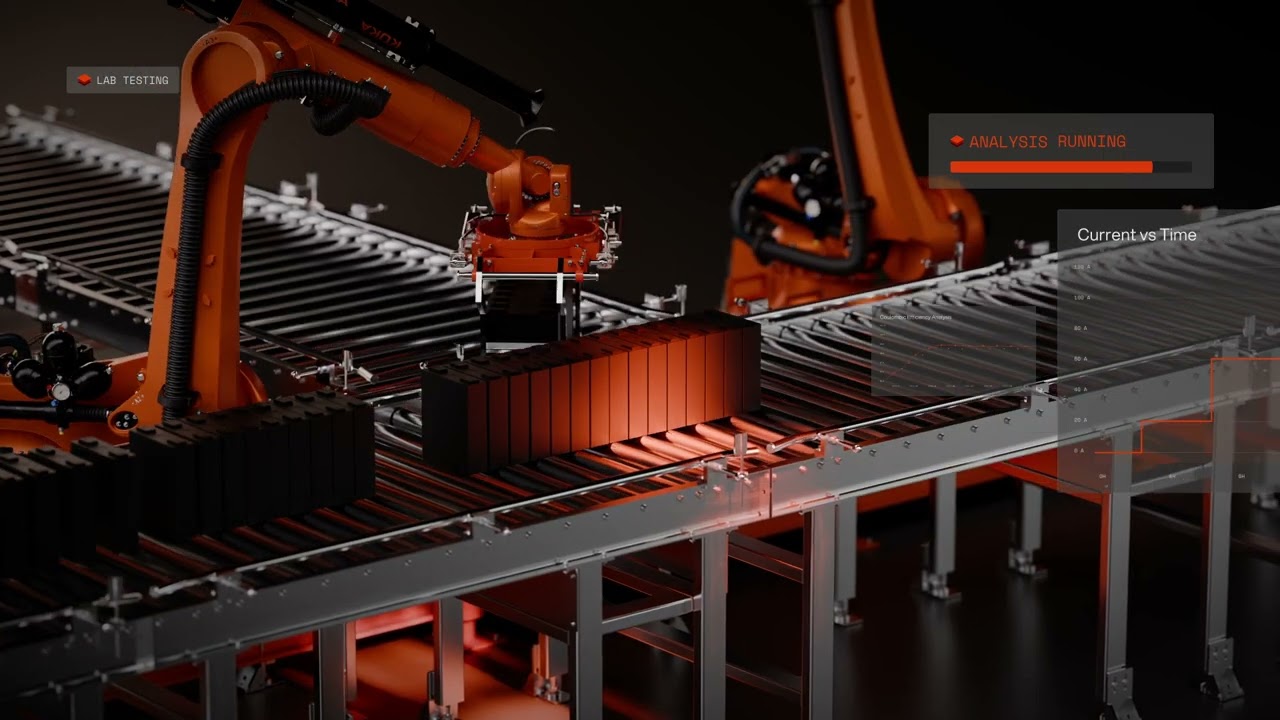
Turno
3D and motionIn short
Answer summary- Who is it for?
- Deep tech companies whose product is invisible or hard to demonstrate.
- What goes wrong?
- A good film about the wrong thing is still the wrong thing.
- What do you get?
- 3D, 2D, stop motion, clay, live action and stock. Seven techniques; the brief picks one.
- Who checks the facts?
- Your engineers review the script before anything is rendered.
A good film about the wrong thing is still the wrong thing.
Five reasons explainer video goes wrong for deep tech specifically, and not for the software companies the format was built around.
-
01
It is made by people who have never read a spec sheet.
The generic explainer shop has one template: friendly voiceover, rounded shapes, a problem, a solution. Run a reactor twin or a counter-drone stack through it and you get something that looks like project management software.
-
02
One wrong number and the room stops listening.
Deep tech audiences are specialists. A heart rate that reads 120 when it should read 100, a torque figure that is off, a process step in the wrong order, and the credibility of everything else in the film goes with it.
-
03
It is aimed at everyone, so it convinces no one.
An investor wants the market and the moat. A procurement lead wants compliance and risk. A senior engineer wants to know it is real. One film trying to hold all three usually holds none of them.
-
04
There is nothing to point a camera at.
The product is inside a reactor, inside a cell, inside a fab, or it is software with no physical form. So the shoot falls back on stock office footage and the film says nothing the website did not already say.
-
05
It gets made before anyone decides what the story is.
Animation is the most expensive way to discover you have not settled your positioning. A film built on a story that changes two months later is not a film, it is a rework invoice.
Seven techniques. The brief picks one.
Studios usually sell the technique they own. We start from what the product is, who has to be convinced, and what will still be true in a year.
3D animation
The object is real, but nobody can see it. Reactor internals, a cell mid-discharge, a die under load, an assembly that only exists in CAD. Modelled from your spec by a mechanical engineer, not traced from a reference photo.2D and motion graphics
The product is software, or an argument. Data flow, architecture, protocol, a market shift, a before and after. When the thing being explained has no shape, giving it a fake one hurts.Character animation
The story needs someone to happen to. Buyer journeys, category education, the day-in-the-life that shows what changes on the ground. Useful when the buyer is not the user.Stop motion
The product is physical and the craft is the point. Real objects, real light, real hands. Carries a tactility that renders cannot fake, and reads as made rather than generated.Clay motion
The category is cold and the brand should not be. Defence, nuclear, industrial and infrastructure work that needs warmth or humour without losing gravity. Used deliberately, it disarms.Live action
There is a real facility, a real machine, a real team. Fab floors, test rigs, field deployments, founder pieces. If the proof is that the thing exists and runs, nothing beats footage of it running.Stock footage
Context needs establishing and a shoot cannot be justified. Grid infrastructure, traffic, hospital corridors, port logistics. Connective tissue between the shots that matter. Never the hero of the film.How long should a deep tech explainer video be?
It depends on where it sits, not on the product. A film a buyer chose to open can run three times longer than one ambushing them on a homepage. The four films on this page run from 50 seconds to 2 minutes 29.
| Where it sits | Length | Why |
|---|---|---|
| Homepage hero | 60 to 90 seconds | Nobody chose to watch it. It has to earn the next scroll. |
| Sales or demo film | 2 to 3 minutes | A buyer opened it deliberately. Depth is welcome. |
| Launch teaser | Under 60 seconds | Competing with a feed, a booth or a conference floor. |
| Conference or booth loop | 30 to 60 seconds | Watched from three metres away, with no sound. |
“The first time we showcased that video, we closed our first US client.”
“It helped clients imagine what the product delivery would look like.”
Cloudphysician · healthcare AIQuestions we get about film.
Can one film work for investors, procurement and engineers at once?
Rarely, and trying is the most common way the budget gets wasted. An investor wants the market, the moat and the size of the prize. A procurement lead wants compliance, risk and who else already bought it. A senior engineer wants evidence the thing actually works under load. Those are three different films with three different opening thirty seconds. The usual answer is one core film cut three ways from the same shoot and the same 3D, which costs far less than three productions and stops each audience sitting through ninety seconds aimed at somebody else.
Do you need time from our engineers?
Yes, and it is the part that decides whether the film works. We need a technical review of the script and of the animation before it is finished. It is usually two or three sessions. As Cloudphysician put it: if a heart rate was 120, it had to be 120, not 100. At a conference full of experts, get one detail wrong and you lose your credibility.
Can you animate a product that does not exist yet?
Routinely. We work from CAD, spec sheets, architecture diagrams and the roadmap. Our 3D lead is a mechanical engineer, so the model is built by someone who knows what the object is supposed to do, which matters most precisely when there is no physical unit to photograph.
Who owns the files at the end?
You do, outright. Project files, 3D scenes, compositions, audio stems and the graded masters. No hostage retainers and no asset licensing games. You also get a version set cut for homepage, sales, social and booth, plus the source captions, so the film can be re-edited or re-subtitled by anyone you like without coming back to us. The one thing we cannot hand over is licensed stock or library music, which stays under its own licence. We tell you up front which shots those are, and where a film needs to outlive a licence we shoot or build the frame instead.
Can you make a film if our positioning is not settled?
We can, and we will tell you first if we think it is the wrong order. Animation is the most expensive place to discover the story is not right. Where the positioning is genuinely open we run that as a short piece of work before anyone opens a 3D file, which is cheaper than reanimating.
Send us the thing nobody can see.
A spec sheet, a CAD file, an architecture diagram, or the demo you keep having to explain out loud. Thirty minutes, no deck. We will tell you which technique it needs and whether it is worth filming at all.